Blockchain can transform the auditing process by allowing real-time monitoring of financial transactions. With blockchain’s transparent and immutable ledger, auditors can access up-to-date transaction records, reducing the time and effort spent verifying financial data. This ensures continuous and efficient auditing, minimizing errors and potential fraud. Blockchain’s role in accounting is promising, offering transformative benefits such as real-time auditing, automated financial reporting, enhanced fraud prevention, and improved data privacy. However, businesses must navigate several challenges for blockchain to be fully embraced in the accounting industry.
How will blockchain technology affect the accounting industry?
By automating these processes, businesses can reduce the need for manual intervention, eliminating delays and the possibility of errors. Smart contracts also streamline compliance by automatically ensuring that business rules are followed, reducing administrative costs. For instance, tax calculations or payroll disbursements can be handled automatically using smart contracts, ensuring accurate and timely payments while minimizing human error. With the ability to continuously monitor transactions and financial data in real time, businesses can generate up-to-date financial statements instantly. This allows companies to provide stakeholders with accurate and current information at any given time rather than relying on periodic reports. Real-time financial reporting will increase transparency and provide a detailed reflection of a company’s financial position, helping executives and investors make more informed decisions.
Tokenization of Assets

Businesses keep their own ledger to ensure business’ financial records are accurate and compliant. A GL includes all the assets, liabilities, equity, expense, and income ledgers, which make up a complete set of the financial transactions records. Traditional accounting systems have served us well for years, but they have limitations. They often involve intermediaries, slow processes, and a high potential for errors.

The Pros and Cons of Credit Cards in B2B Payments
Qualitatively, they should describe the blockchain platforms in use, transaction types, and risks such as cybersecurity threats. Quantitatively, they must outline how blockchain transactions are measured and reported, including the valuation of digital assets and treatment of transaction fees. Fees can fluctuate based on network congestion, transaction size, and speed requirements. Accountants must develop strategies to manage these fluctuations, such as timing transactions during off-peak periods or net sales using platforms with more predictable fee structures.
- The middle man plays a large role in protecting both parties in the exchange of assets from fraud.
- It protects the sensitive data of the transaction and acts as a receipt that verifies the transaction occurred at a certain time.
- The trusted third party becomes the neutral source of critical financial data during auditing.
- Moreover, with triple-entry accounting, the blockchain makes it hard to commit double-entry fraud.
In accounting, transparency is crucial for minimizing errors, ensuring regulatory compliance, and improving stakeholder trust. For example, companies can track their financial transactions, supply chain movements, and inventory flows more easily. This level of transparency allows for more accurate audits, quicker reconciliation, and greater assurance that financial records are legitimate and reliable.
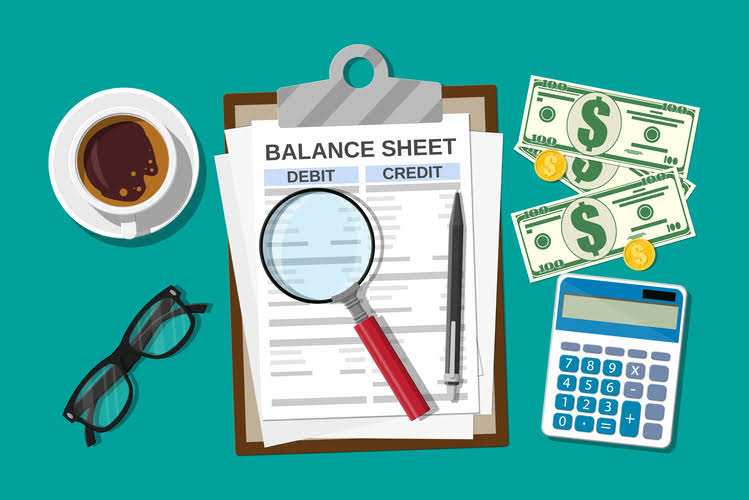
- In a triple-entry accounting system, a debit, credit, and a third entry is recorded.
- Also, mistakes and fraud are avoided as the blockchain is a neutral source of immutable data in a triple entry arrangement.
- On the other hand, accountants might need to learn to code to not only write but also audit smart contracts businesses use to automate financial transactions.
- The decentralized nature of blockchain fosters trust among stakeholders by preventing any single entity from controlling the data.
- At its core, blockchain provides decentralized trust through distributed ledgers.
- One of the first popular blockchain applications was that it cut out the middle man when transferring money.
Widespread Adoption of Blockchain for Real-Time Auditing
Let’s analyze the advantages of blockchain in accounting into the following categories. Furthermore, data security is paramount as it ensures the integrity of transactions on the ledger. Companies must create robust policies and protocols for ensuring secure access to sensitive information stored on the blockchain ledger. While the use of blockchain in accounting is still in its early stages, there is a growing interest in and adoption of it among accounting firms. https://franquia.mipetit.com.br/2022/01/20/department-of-the-treasury/ Despite the technological challenges blockchain presents for them, accounting firms are exploring and implementing blockchain solutions to improve their operations and services.
- Since a large part of audits is verifying the occurrence and accuracy of financial records, this would free up a lot of time for the accounting professional to focus on other things.
- Blockchain’s role in accounting is promising, offering transformative benefits such as real-time auditing, automated financial reporting, enhanced fraud prevention, and improved data privacy.
- The ledger facilitates real-time financial reporting, so there are no delays in data processing.
- With blockchain, auditors can directly access the ledger and verify the accuracy of transactions without going through multiple documents or data sources.
- Plus, understanding the basics of blockchain will help you follow future updates and be more prepared.
Is Blockchain the Future of Accounting?
Whatever your stance, it’s hard to ignore the growing number of organizations accepting cryptocurrency. This has made blockchain accounting a hot topic, especially for those in the accounting profession. Schools and big accounting firms like Deloitte are already educating on blockchain accounting. Embracing this technology will be crucial for staying competitive and relevant in the accounting field.
How Smart CFOs Are Transforming B2B Payment Economics
- Accountants need to stay informed about these developments to ensure compliance and mitigate risks.
- A thorough understanding of both blockchain and current accounting frameworks is essential to ensure compliance and accuracy.
- Pursuing ACCA courses or an industry-oriented accounting and financial management degree with roots in FinTech can help you learn more about this subject.
- His expertise spans various industries, consistently providing accurate insights and recommendations to support informed decision-making.
- Meanwhile, transactions in the financial records of a business can easily collaborate with the financial records of the other businesses on the supply chain.
- One of the most significant advantages of blockchain is its ability to provide real-time updates to financial records.
- As you consider integrating blockchain into your practice, remember that staying informed and proactive is key to unlocking its full potential.
As you consider integrating blockchain into your practice, remember that staying informed and proactive is key to unlocking its full potential. Accountants and finance professionals must adapt to methodologies that redefine traditional practices. This article examines how blockchain OS impacts key areas of accounting, including contract transactions, transaction fees, and financial statement disclosures. Blockchain is an innovative technology that enables the secure storage and sharing of digital data. It can be used to facilitate transactions, provide trustless authentication services, create immutable records, and more. Blockchain represents a paradigm shift in how we store and interact with information.
Indeed, the businesses in the entire supply chain of a particular good can access and provide data to the shared ledger. Indeed, it offers a superior mechanism for triple entry accounting compared to what a centralized service provider blockchain in accounting is capable of giving. The trusted third party becomes the neutral source of critical financial data during auditing.